Project examples grounded in real work
Cultura is a new business built on founder Dustin J. Wagner’s archival, archaeological, and digital-heritage experience. The examples below distinguish active work, prior field experience, and representative service models so you can see how a Cultura project is approached—without overstating results.

Family Archive Starter — example workflow
A typical starter project begins with a review of photographs, letters, certificates, albums, and digital files. Cultura identifies priorities, creates careful digital copies, applies clear names and folder structure, adds basic descriptive information, checks image quality, and provides organized files with practical preservation recommendations. The exact scope and estimate are tailored to each collection. To discuss your collection, email info@culturaservices.com.
From Military Record to Family Story
A Cultura Military and Family Legacy Project Example
Military records often preserve names, dates, ranks, assignments, and locations—but they do not always explain what that service meant.
This example shows how Cultura transforms a verified military record into an accessible family-history narrative. Historical terminology is carefully interpreted, the original source language and context are preserved, and the documented facts are shaped into a story that future generations can understand.
Transcript Excerpt
By eighteen eighty, Frank WAGNER was recorded at El Paso, Texas, as an Army Hospital Steward.
The position belonged to the nineteenth-century United States Army Medical Department. For a modern listener, an Army Hospital Steward can be understood as an early predecessor to the enlisted Army medic.
By the end of his career, an official War Department order identified him as:
Sergeant First Class, Hospital Corps.
Listen to the Story
Hear the finished narration and view the branded transcript excerpt below.
Cultura can create similar military and veteran legacy stories from service records, photographs, letters, orders, citations, oral-history interviews, and other family materials.
From Family Records to a Lasting Story
A CULTURA FAMILY LEGACY PROJECT EXAMPLE
A focused example of how Cultura turns inherited research into a clear, engaging story while protecting the family’s identity.
TRANSCRIPT / SOURCE EXCERPT
“Our family history was traced by the earliest known member and sorted by surname. The information was compiled from family Bibles, old written records, and verbal recollections of family members.”
FINISHED STORY
“This family history project began in the late 1990s as a way to preserve memory, connection, and lineage. In the summer of 1998, family members began gathering records, stories, and recollections passed down through generations. Their sources included family Bibles, handwritten notes, official records, and the spoken memories of relatives. The goal was not perfection, but remembrance—to record what was known and invite others to help fill what was missing.”

Nevis heritage documentation — founder experience
During the 2024–2025 Nevis Heritage Legacy Program, Dustin contributed to historical archaeology and documentation of sites, artifacts, and coastal change through photography, survey support, 360-degree capture, scanning, and other digital recording. This was field and academic experience—not a Cultura client engagement—and it directly informs the company’s preservation-first documentation methods.
Brimstone Hill 3D documentation — founder field experience
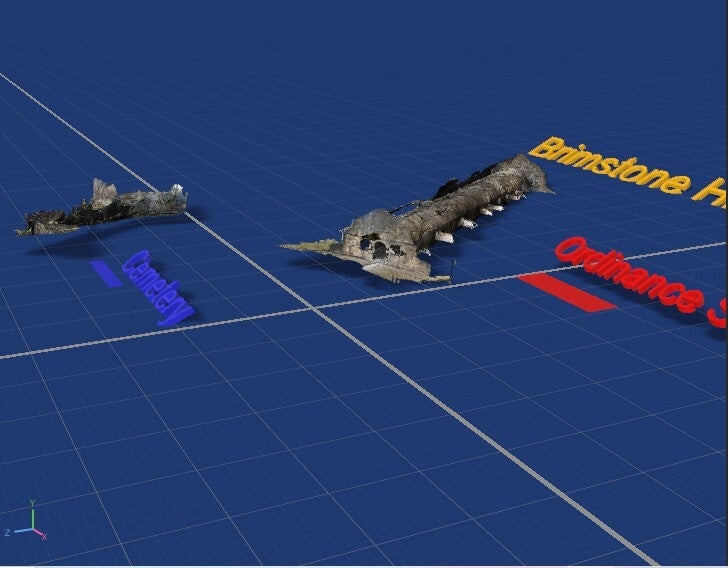
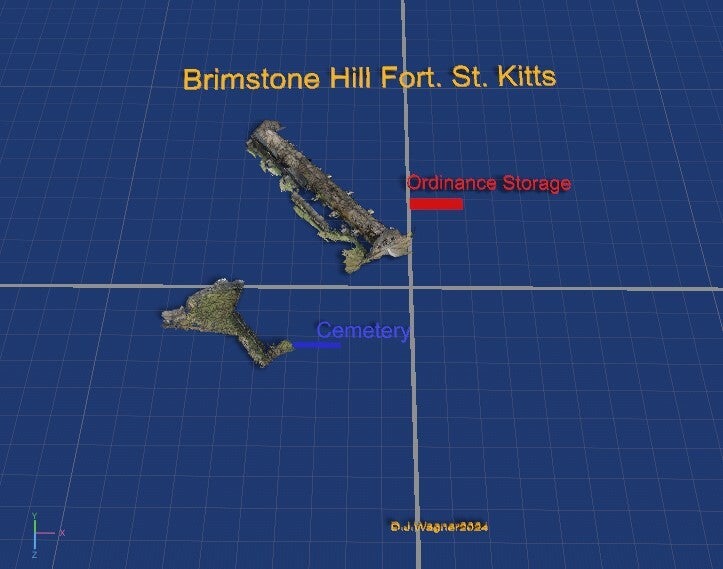
At Brimstone Hill Fortress National Park in St. Kitts, Dustin used ground-based photographic capture to create and label a three-dimensional record of the lime kiln and nearby cemetery area. The work demonstrates how spatial documentation can preserve site relationships and support interpretation. This was prior field experience—not a Cultura client engagement.